
The United Arab Emirates, particularly Dubai and Abu Dhabi, stands as a global epicentre for business, innovation, and international trade. For companies looking to make a significant impact across the Middle East, Africa, and South Asia (MEASA), participating in a major exhibition or luxe event is not merely an option—it’s a necessity. However, transforming this participation into tangible business results requires meticulous trade show planning. Success isn’t guaranteed by booking a space; it’s achieved through strategic foresight, creative execution, and flawless logistics, all hallmarks of world-class exhibition stand design companies Dubai and top event management companies in Dubai.
Effective trade show planning is a holistic process that begins months before the event floor opens and continues long after the final handshake. It’s about crafting an immersive experience, a luxe exhibition that captures attention, communicates value, and converts curiosity into commercial opportunity. This guide offers a framework for navigating the complexities of the UAE’s competitive exhibition landscape, ensuring your next trade show planning effort is your most successful yet.
10 Essential Tips for Successful Trade Show Planning
Successful trade show planning requires a blend of strategy, creativity, and logistical precision. These ten tips form the backbone of a successful exhibition plan example for the UAE market.
-
Define Your Mission with Precision: Before anything else, clarify your primary objective. Is it lead generation, brand awareness, product launch, or industry networking? This clarity drives every subsequent decision, from booth design to staff training, making your trade show planning hyper-focused.
-
Select the Right Venue and Timing: The UAE hosts countless industry events. Your trade show planning must ensure you are at the exhibition that aligns perfectly with your target audience (e.g., GITEX for tech, Arab Health for medical, Big 5 for construction).
-
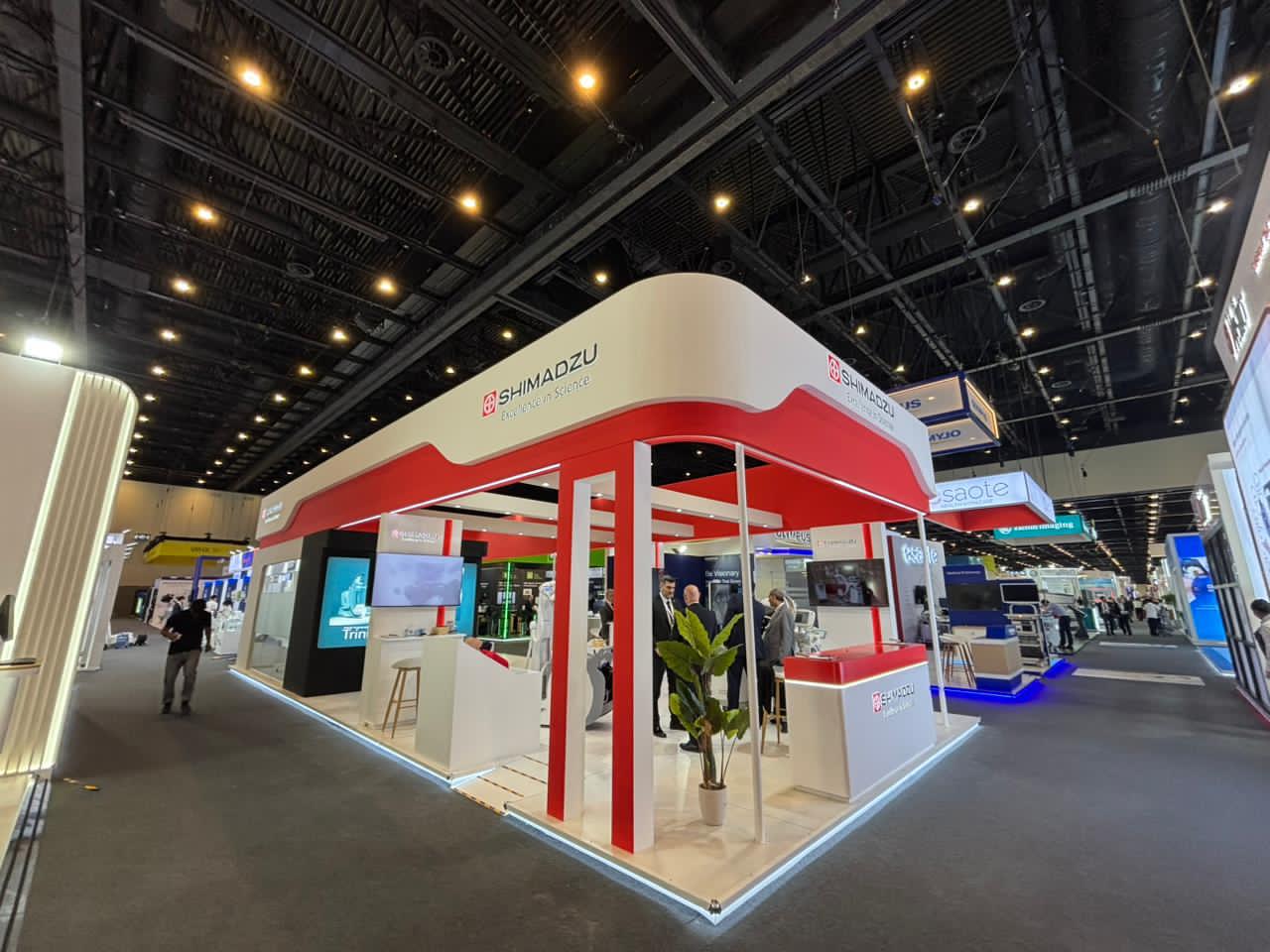
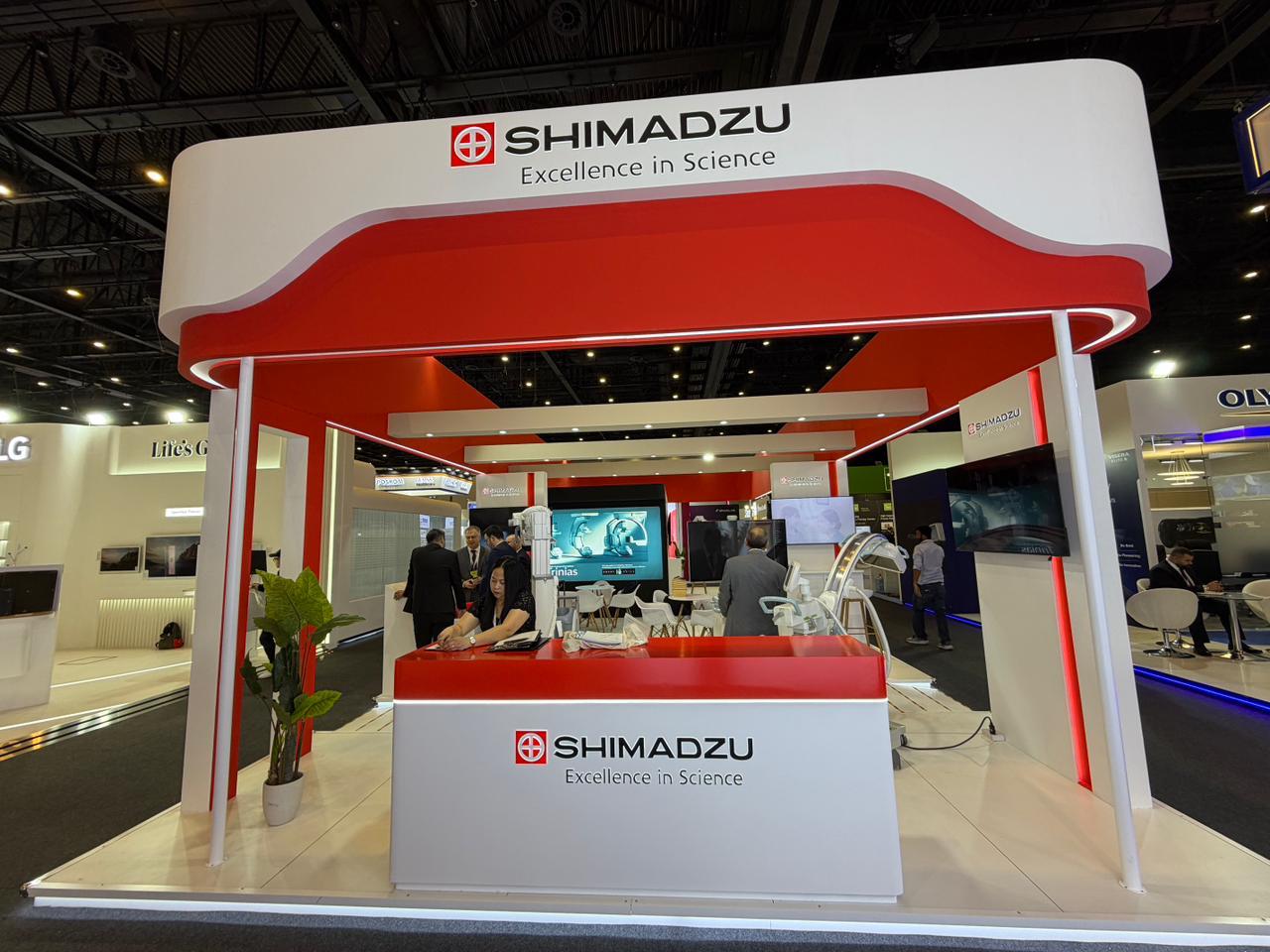
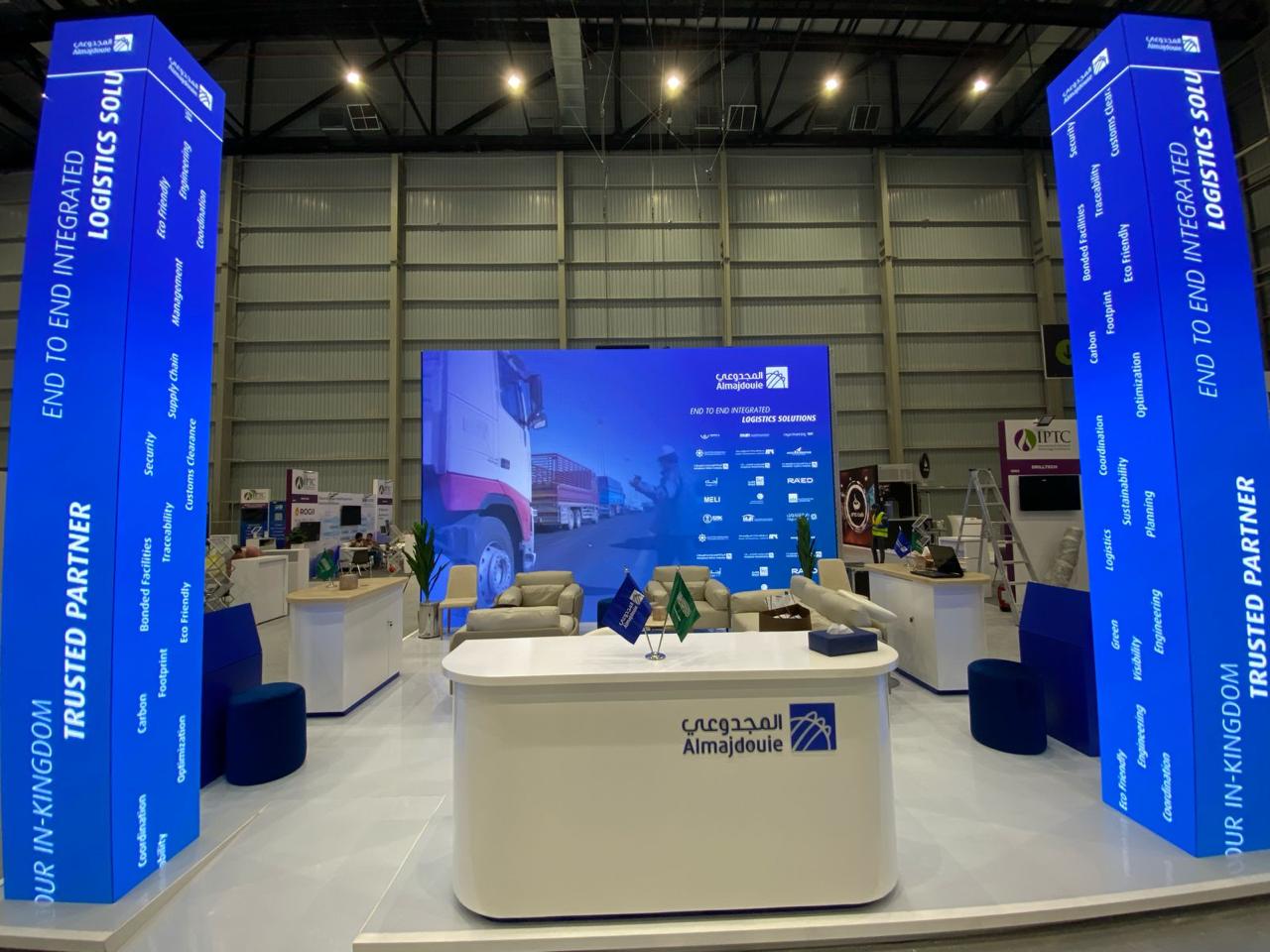
Invest in a World-Class Stand Design: Your physical presence is your brand’s embassy. Partner with leading exhibition stand design companies Dubai to create a compelling, interactive, and visually stunning stand. A truly effective design, informed by an expert exhibition stand design agency, is the single biggest factor in attracting foot traffic.
-
Develop a Multi-Channel Promotion Strategy: Don’t rely solely on the event organiser. Your trade show planning should include pre-show email campaigns, social media teasers, and targeted invites to clients and prospects, building anticipation for your luxe exhibition.
-
Staff Selection and Training are Crucial: Your team is the face of your company. They must be engaging, knowledgeable, and multilingual (a necessity in the UAE). Train them not just on the product, but on qualifying leads efficiently.
-
Create an Engagement Hook: Give attendees a reason to stop. This could be a live demo, an interactive AR/VR experience, a compelling giveaway, or a unique physical challenge. A strong exhibition plan design includes dedicated zones for engagement.
-
Budget for the Unexpected (Contingency Planning): Logistics in a major international hub can be unpredictable. Allocate at least 10-15% of your total budget for contingencies in your trade show planning.
-
Integrate Follow-Up into the Plan: The moment a lead is captured, the follow-up process should be initiated. Define who follows up, when, and with what message before the show starts. Effective lead retrieval is key to realising ROI from your trade show planning.
-
Analyse and Iterate: Post-show, conduct a thorough ROI analysis. Which leads converted? Which engagement activity performed best? Use these metrics to refine your next trade show planning strategy.
-
Leverage Local Expertise: Engage with top event management companies in Dubai. They possess the local knowledge, supplier networks, and understanding of governmental regulations that are invaluable for seamless execution of a complex luxe event.
Understanding the Real Obstacles in Trade Show Planning
While the rewards of a successful luxe exhibition in the UAE are substantial, the path is fraught with potential challenges. A mature trade show planning process acknowledges these obstacles proactively.
-
Logistical Complexity in the UAE: Moving heavy, specialised equipment (often required for a luxe exhibition) through customs and into major exhibition centres requires deep understanding of local regulations. Missteps here can lead to crippling delays and additional costs.
-
The ‘Noise’ Factor: Major UAE shows are saturated with thousands of brands competing for attention. The biggest obstacle isn’t attracting a visitor, it’s attracting the right visitor. Overcoming this requires an exceptional exhibition stand design agency to create a highly differentiated and attractive space.
-
Unrealistic ROI Expectations: Companies often expect immediate, massive sales. Trade show planning must set realistic goals based on lead quality, not just volume. The sales cycle initiated at the show may take months to close.
-
Hidden Costs and Budget Overruns: Shipping, storage, rigging, utilities (especially electricity for a complex luxe event stand), and local labour costs can escalate quickly. Thorough trade show planning includes itemised quotes for every single element, from carpet tiles to catering.
-
Staff Fatigue and Burnout: Teams working a major luxe exhibition often face long hours. The quality of interaction dips as fatigue sets in. Smart trade show planning includes shift rotations, dedicated breaks, and a focus on wellness to keep the team sharp.
Overcoming these obstacles is what separates a routine exhibitor from a market leader. It necessitates a detailed, granular exhibition plan example that treats every potential issue as a risk to be mitigated. This proactive approach is the essence of world-class trade show planning.
Step-by-Step Checklist for Successful Trade Show Planning
A robust checklist transforms an abstract goal into an actionable project. This is a condensed version of a definitive exhibition plan example for the UAE.
Phase 1: Strategy & Budget (6-12 Months Out)
-
Finalise Goals: Define 3-5 measurable objectives (e.g., 200 qualified leads, 1 product launch, secure 5 distributor meetings).
-
Budget Allocation: Set a detailed budget, ensuring funds are allocated for stand space, design, construction, shipping, travel, accommodation, marketing, and a contingency fund. This is the cornerstone of your trade show planning.
-
Booth Selection: Book the space, prioritising high-traffic locations (main aisles, near major anchors/food courts).
-
Agency Selection: Appoint an exhibition stand design agency and top event management companies in Dubai to handle local logistics and execution.
Phase 2: Design & Logistics (3-6 Months Out)
-
Design & Concept: Approve the final stand design from your exhibition stand design companies Dubai, focusing on brand integration and visitor flow. Ensure the exhibition plan design is visually spectacular for a genuine luxe exhibition.
-
Content Creation: Develop all stand graphics, interactive content, video loops, and presentation materials.
-
Logistics Management: Appoint a freight forwarder. Start the customs clearance process early. Confirm utility orders (power, water, internet) with the venue.
-
Pre-Show Marketing: Launch the initial marketing campaign, leveraging digital channels to announce your participation.
Phase 3: Execution & Training (1-3 Months Out)
-
Staffing & Training: Select the on-site team. Conduct mandatory training on product knowledge, lead qualification scripts, and using the lead retrieval system.
-
Media Outreach: Schedule meetings with relevant trade press and industry analysts attending the luxe event.
-
Final Checks: Confirm all deadlines for submitting electrical plans, health & safety forms, and graphics files to the organisers.
-
Lead Capture Setup: Test the lead retrieval technology (QR codes, badge scanners, or custom app). Effective trade show planning ensures this technology is flawless.
Phase 4: Post-Show (1-2 Weeks After)
-
Data Compilation: Download, clean, and segment all leads (A, B, C categories).
-
Immediate Follow-Up: High-priority ‘A’ leads receive personal contact within 48 hours. The remainder receive a tailored email thanking them for visiting the luxe exhibition.
-
ROI Analysis: Measure results against the initial goals. Calculate Cost Per Lead (CPL) and projected ROI based on sales pipeline velocity. Use this data to improve the next round of trade show planning.
you can also read :
Top Exhibition Branding Strategies to Elevate Your Trade Show Display
Top 5 Factors Influencing Successful Trade Show Planning
Success in a hyper-competitive market like the UAE hinges on mastering five critical components of trade show planning.
-
The Stand’s Structural & Interactive Design: An average stand gets average traffic. A well-executed exhibition plan design by a top exhibition stand design agency becomes a destination. It must be a multi-sensory environment that encourages lingering and interaction. A luxe event demands a luxury stand.
-
The Pre-Show Audience Segmentation and Targeting: The best leads are often those pre-scheduled. The most effective trade show planning dedicates significant resources to identifying key prospects, understanding their needs, and pre-arranging meetings at the stand.
-
The Quality of Lead Qualification and Capture: Success is measured in closed deals, not business cards. The process must clearly define what constitutes a ‘qualified lead’ and the mechanism (tech and script) for capturing that information efficiently. This is a core function of effective trade show planning.
-
The Strategic Partnership with Local Experts: Navigating local authority permits, labour laws, union regulations, and the unique logistics of the venue is complex. Collaborating with trusted top event management companies in Dubai mitigates risk and ensures seamless execution, turning complex logistics into a smooth luxe event.
-
The Post-Event Follow-Up Cadence: The majority of ROI is lost in the week after the show. A clearly defined and rapidly deployed follow-up strategy is the final, non-negotiable step in successful trade show planning. The speed and personalisation of this communication are paramount.
The process of trade show planning is continuous, and each exhibition, each luxe exhibition, provides data to refine the strategy for the next. The best companies view trade show planning as a long-term investment in market leadership.
Four Common Errors to Avoid While Planning a Trade Show Exhibition
Even the most experienced exhibitors can fall victim to avoidable errors during trade show planning.
-
Underestimating the UAE Logistics Time and Cost: Assuming shipping timelines are the same as Europe or the US leads to panic and premium charges. Always allow extra time and budget for customs, port clearance, and final delivery/setup, particularly when executing a high-spec luxe event stand.
-
Focusing on Giveaways Over Engagement: Offering generic, cheap promotional items (pens, stress balls) attracts ‘collectors’ not ‘buyers’. The goal of the exhibition plan design should be to offer valuable, targeted interaction (e.g., a one-on-one demo) in exchange for the prospect’s time and information.
-
Failing to Conduct a Test Run: For complex products, new technology, or large-scale interactive elements commissioned from an exhibition stand design agency, the team must run a full simulation before the show. Don’t let your first demo be in front of a VIP client at the luxe exhibition.
-
Leaving Post-Show Follow-up to Chance: The biggest mistake is treating the lead list as a generic spreadsheet. Trade show planning fails when the sales team treats the leads generated by a luxe exhibition with a ‘call-when-we-get-to-it’ attitude. The follow-up must be structured, immediate, and tailored to the qualification notes taken at the stand.
Avoiding these pitfalls requires discipline and a commitment to the rigorous schedule laid out in the exhibition plan example. Trade show planning is a high-stakes investment, and small mistakes can yield significant financial and reputational losses.
Unlock Success with Smart Trade Show Planning Strategies
For ambitious firms targeting regional dominance, trade show planning moves beyond mere checklist execution and into strategic market development.
The Power of Localisation
The UAE market values respect for culture and clear communication. Your trade show planning must localise the brand message. This includes:
-
Language: Ensure Arabic-speaking staff are present.
-
Cultural Sensitivity: Stand graphics and attire must be appropriate.
-
Partnership Messaging: Highlighting local successes and existing regional clients builds instant credibility.
Integrating Digital with Physical
The most advanced luxe exhibition stands integrate digital tools seamlessly:
-
Real-time Stand Analytics: Using sensors or Wi-Fi tracking (with privacy compliance) to measure dwell time at different parts of the stand, informing the next trade show planning cycle.
-
App Integration: Providing a QR code that downloads a curated information package directly related to the visitor’s interests, captured during the conversation.
This next-level trade show planning focuses on making every visitor interaction trackable and actionable.
Boost Your Event ROI with Effective Trade Show Planning
The ultimate measure of successful trade show planning is the Return on Investment (ROI). Maximising this metric requires continuous focus on the cost-to-conversion funnel.
The basic ROI calculation is:
To positively impact this equation, your trade show planning must aggressively manage two variables: increasing revenue and decreasing unnecessary cost.
-
Increase Revenue: Focus on lead quality over quantity. A premium lead from a luxe event is worth fifty cold contacts. The investment in an elite exhibition stand design agency pays off by attracting higher-calibre visitors.
-
Decrease Cost: Leverage the knowledge of top event management companies in Dubai to secure preferred supplier rates for services like catering, setup, and transport, ensuring your trade show planning is cost-efficient without compromising the luxe exhibition feel.
Trade show planning isn’t just about the three days of the event; it’s about building a predictable and profitable channel for market penetration in the Middle East.
FAQ on Trade Show Planning
What are the 7 stages of event planning?
While models vary, the 7 critical stages for comprehensive trade show planning generally include:
-
Research & Goal Setting (Why are we exhibiting?)
-
Design & Budgeting (How much will it cost and what will it look like?)
-
Vendor Management & Logistics (Booking space, freight, and engaging the exhibition stand design agency.)
-
Marketing & Promotion (Driving traffic to the luxe event stand.)
-
Execution & On-Site Management (The actual show days.)
-
Evaluation & Feedback (Collecting data on CPL, footfall, etc.)
-
Post-Event Follow-up (Lead conversion and relationship building.)
What is an event master plan?
An event master plan is a comprehensive, single document that outlines every detail of the exhibition, acting as the ultimate exhibition plan example. It includes the budget breakdown, floor plan, staffing schedule, marketing calendar, risk assessment, contact list for all vendors (including the top event management companies in Dubai), crisis communication protocol, and the post-show follow-up strategy. It is the single source of truth for complex trade show planning.
What is the role of SWOT in planning?
The SWOT analysis (Strengths, Weaknesses, Opportunities, Threats) is crucial in the initial stage of trade show planning.
-
Strengths: What makes our stand/product better than the competition? (e.g., exceptional product demo, strong local team).
-
Weaknesses: What disadvantages must we mitigate? (e.g., small stand size, new-to-market status).
-
Opportunities: What can we exploit at this specific show? (e.g., a major competitor is absent, a hot market trend).
- Threats: What external risks exist? (e.g., economic downturn, regulatory changes, aggressive competitor activity).
SWOT ensures the trade show planning strategy is realistic and competitive.
What are the steps in planning an exhibition?
The steps in planning an exhibition are:
-
Strategic Alignment: Confirm the exhibition serves the overall business goals.
-
Budgeting & Resource Allocation: Finalise the financial blueprint.
-
Creative Brief & Design: Engage an exhibition stand design agency to develop the exhibition plan design.
-
Logistical Coordination: Manage all shipping, build-up, and on-site services with top event management companies in Dubai.
-
Pre-Show Marketing: Announce and schedule appointments.
-
Staff Briefing: Train the team on product and lead process.
-
On-Site Execution: Run the luxe event flawlessly.
-
Lead Management & Post-Show ROI: Convert leads into sales and analyse the performance of the trade show planning.